Your Creative Voice

A hands-on exploration of color, symbols, style, and visual thinking that helps you discover what naturally feels like "you." 

A creative process that helps you see and express what matters to you

This course is for artists, designers, and curious professionals who want to better understand their own creative instincts.

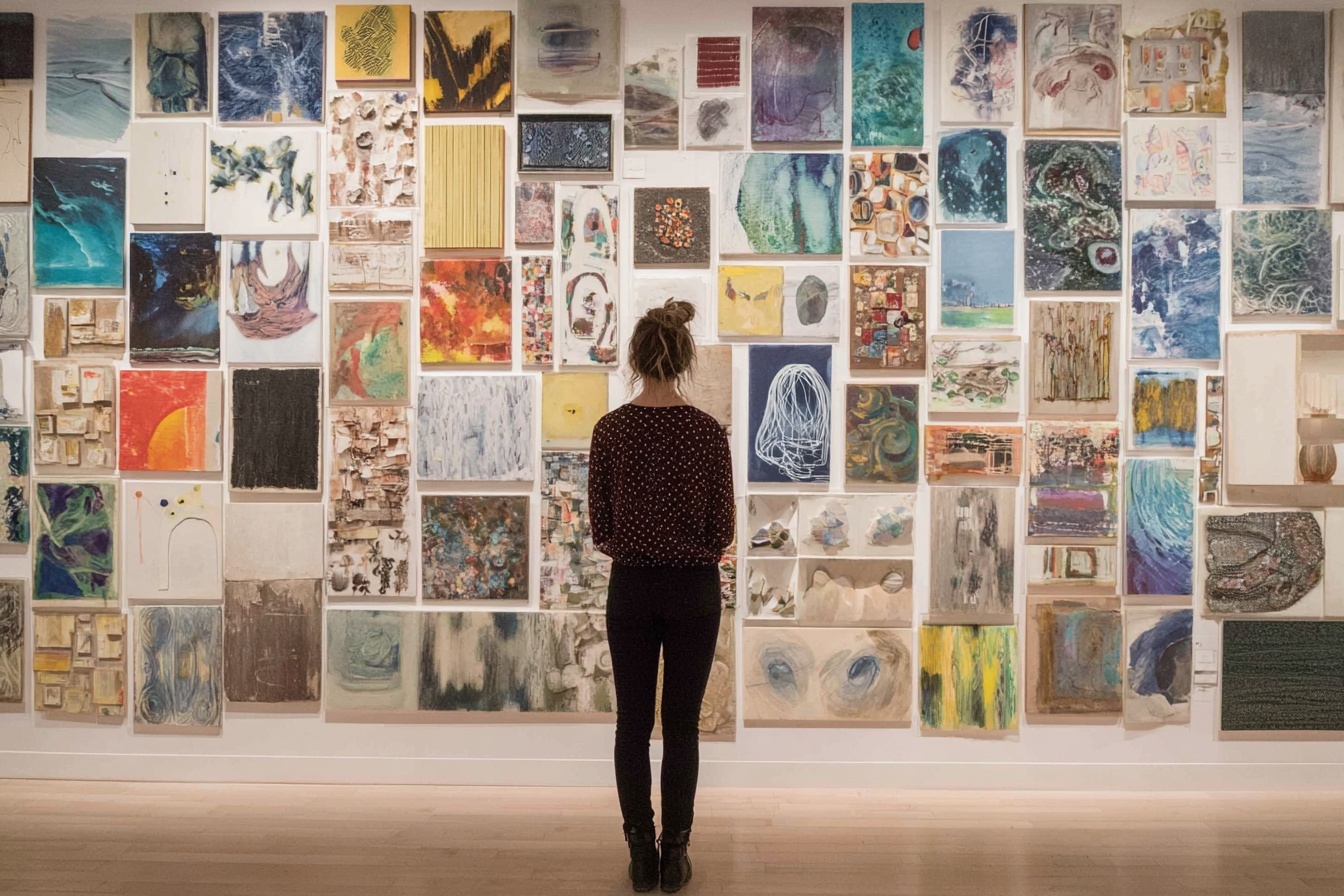
Many people feel drawn to certain colors, shapes, images, or materials but struggle to explain why. By exploring those preferences intentionally, you can begin to recognize the patterns that form your personal visual language.

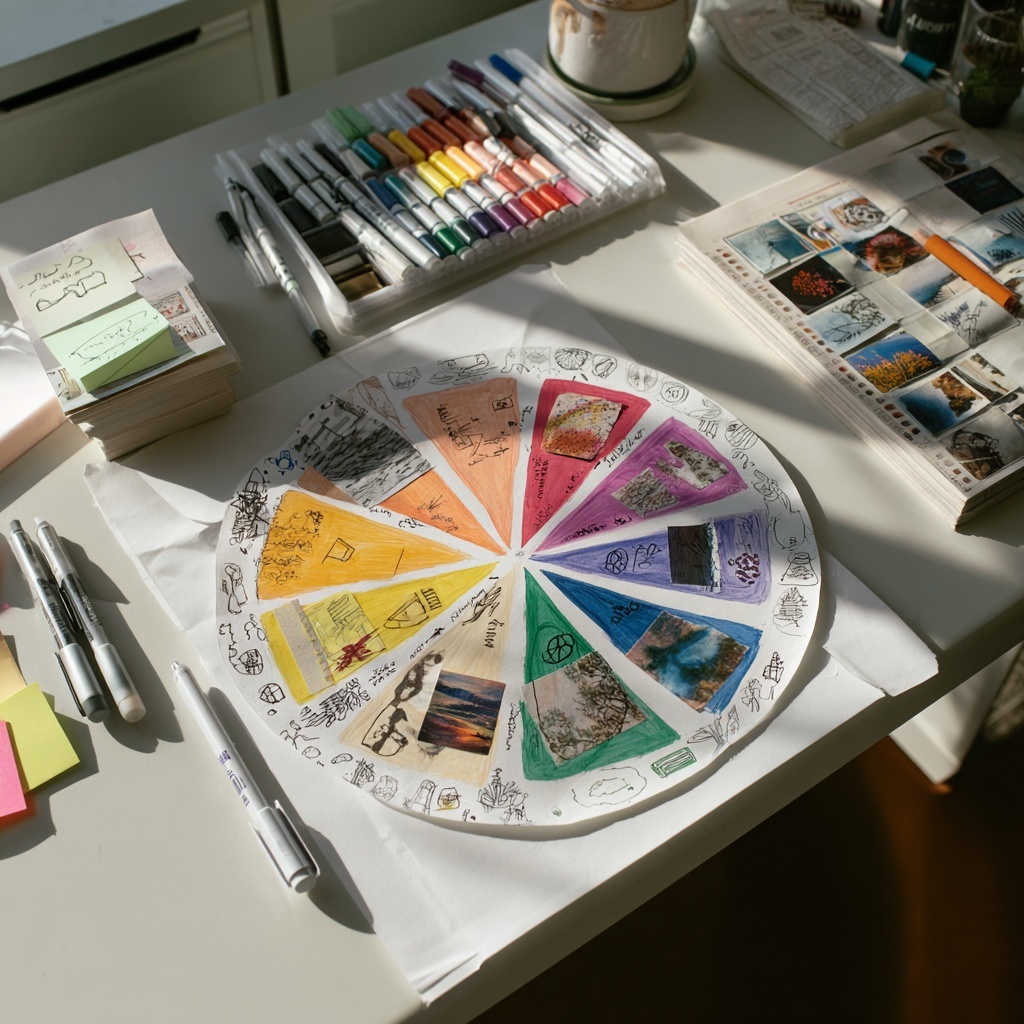
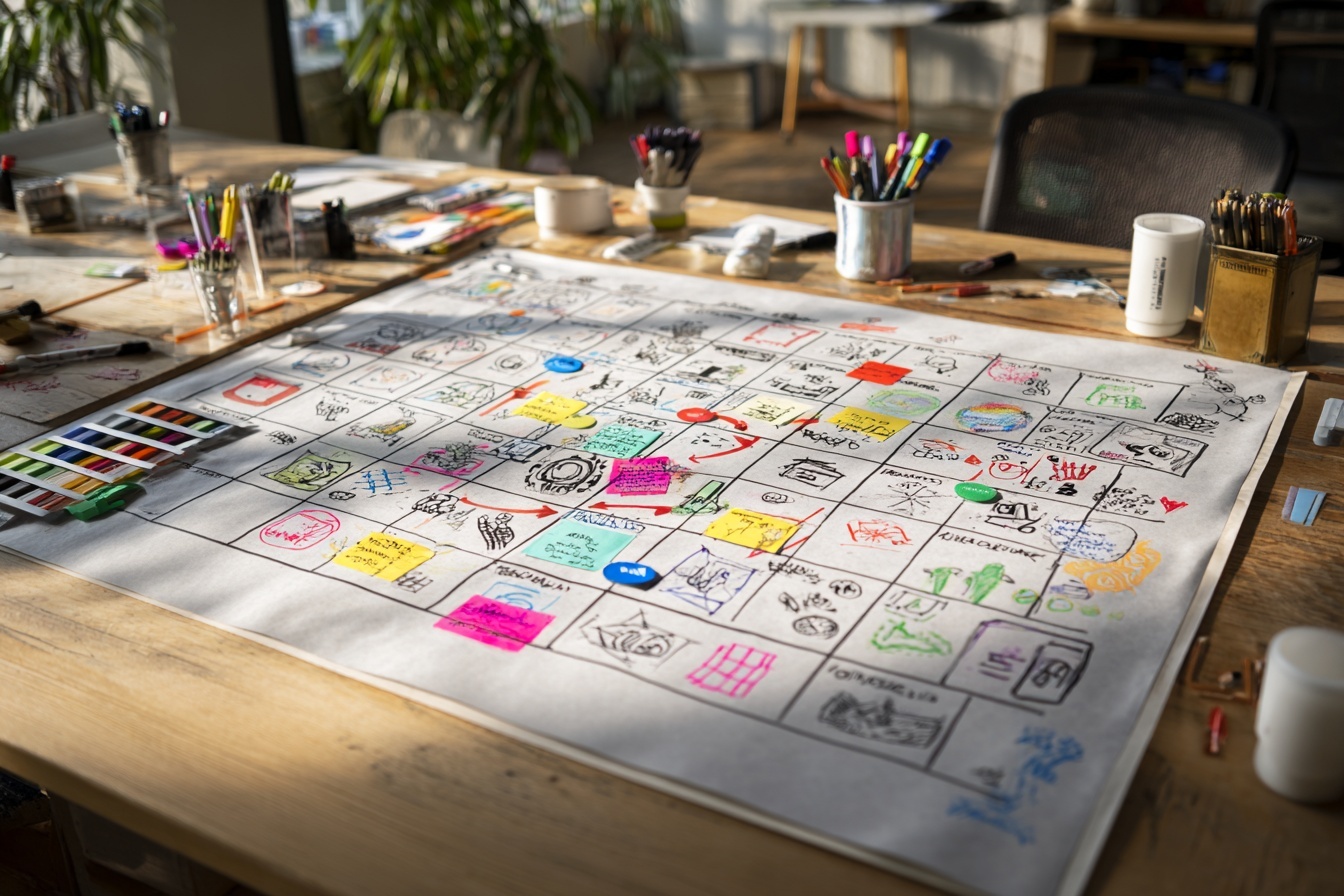
Through guided exercises, you will experiment with color, symbols, styles, and materials while building a “creative radar” that maps what resonates with you.

As your visual vocabulary grows, you’ll gain a flexible toolbox you can use to communicate ideas more clearly and cohesively through sketches, diagrams, artwork, or visual storytelling.

The result is a clearer sense of your own creative voice and a set of tools you can use whether you are making art, sketching ideas, or thinking visually in your everyday work.

Why This Approach Works

Art has a unique ability to surface insights that structured thinking often misses.

In this course, you’ll explore creativity through observation, experimentation, and visual exploration. As you work with colors, symbols, styles, and materials, you’ll begin to recognize the patterns that shape your personal visual language.

Along the way, you’ll connect what you discover to methods used in design thinking, visual communication, and creative problem solving.

What You'll Explore

Understanding Your Creative Radar

Use a simple visual mapping exercise to identify the colors, images, styles, and materials that naturally resonate with you.

Why You Like What You Like

Explore why certain aesthetics attract you and how your creative instincts develop over time.

Symbols and Meaning

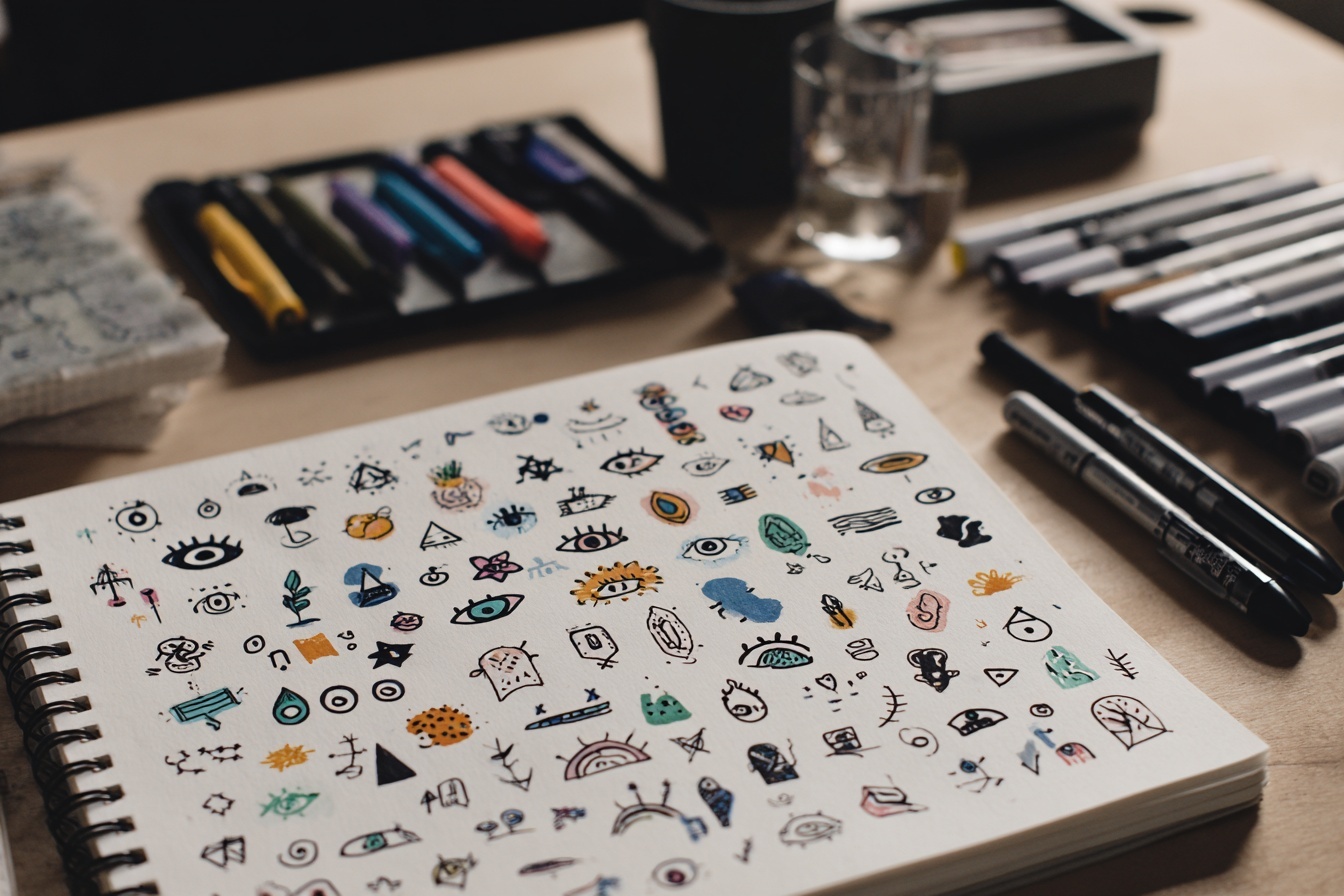
Learn how symbols communicate ideas across cultures and how to build a personal library of images and visual shorthand.

Color and Style Preferences

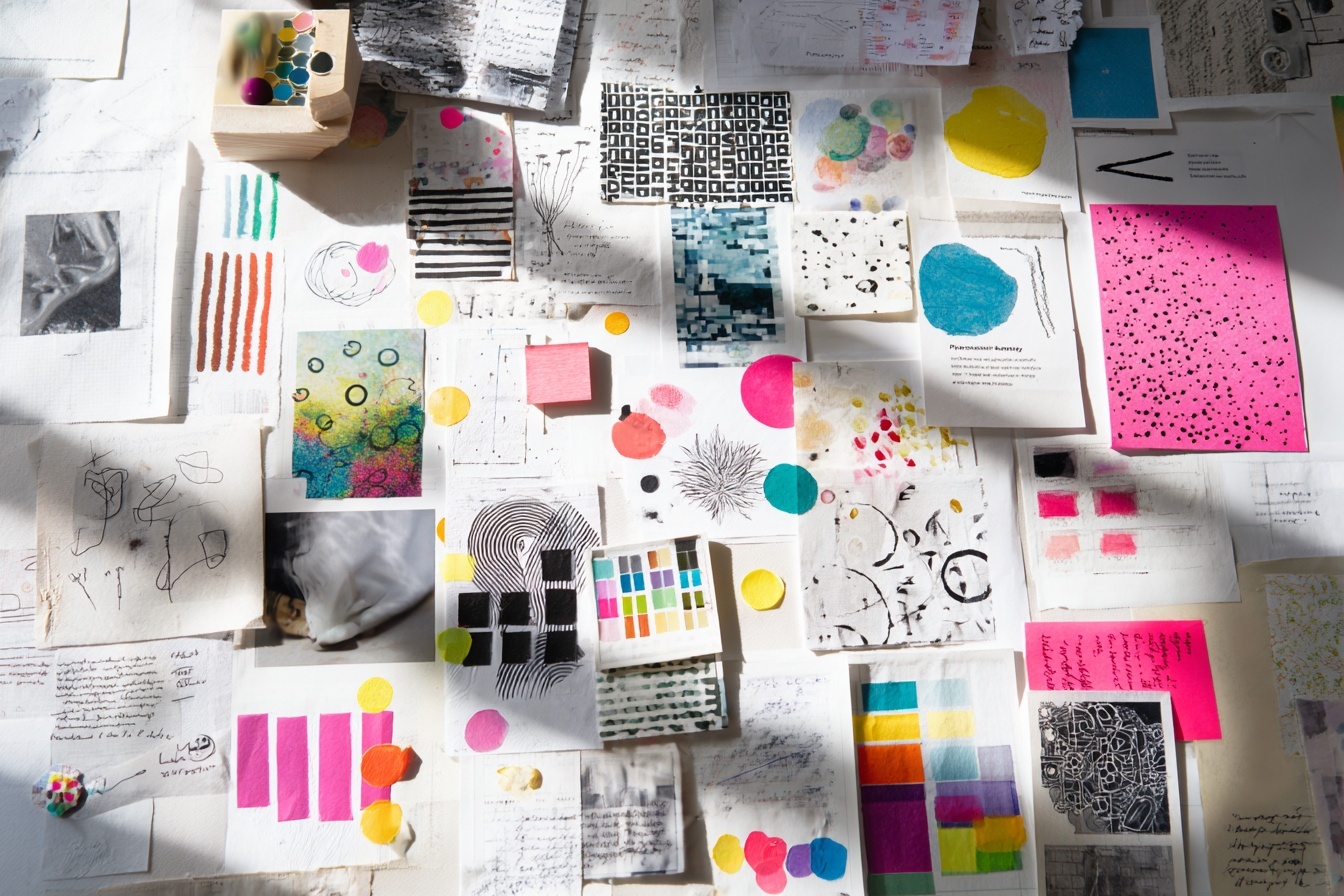
Experiment with color combinations, artistic styles, and visual themes to discover what feels most like your creative voice.

Understanding Materials and Themes

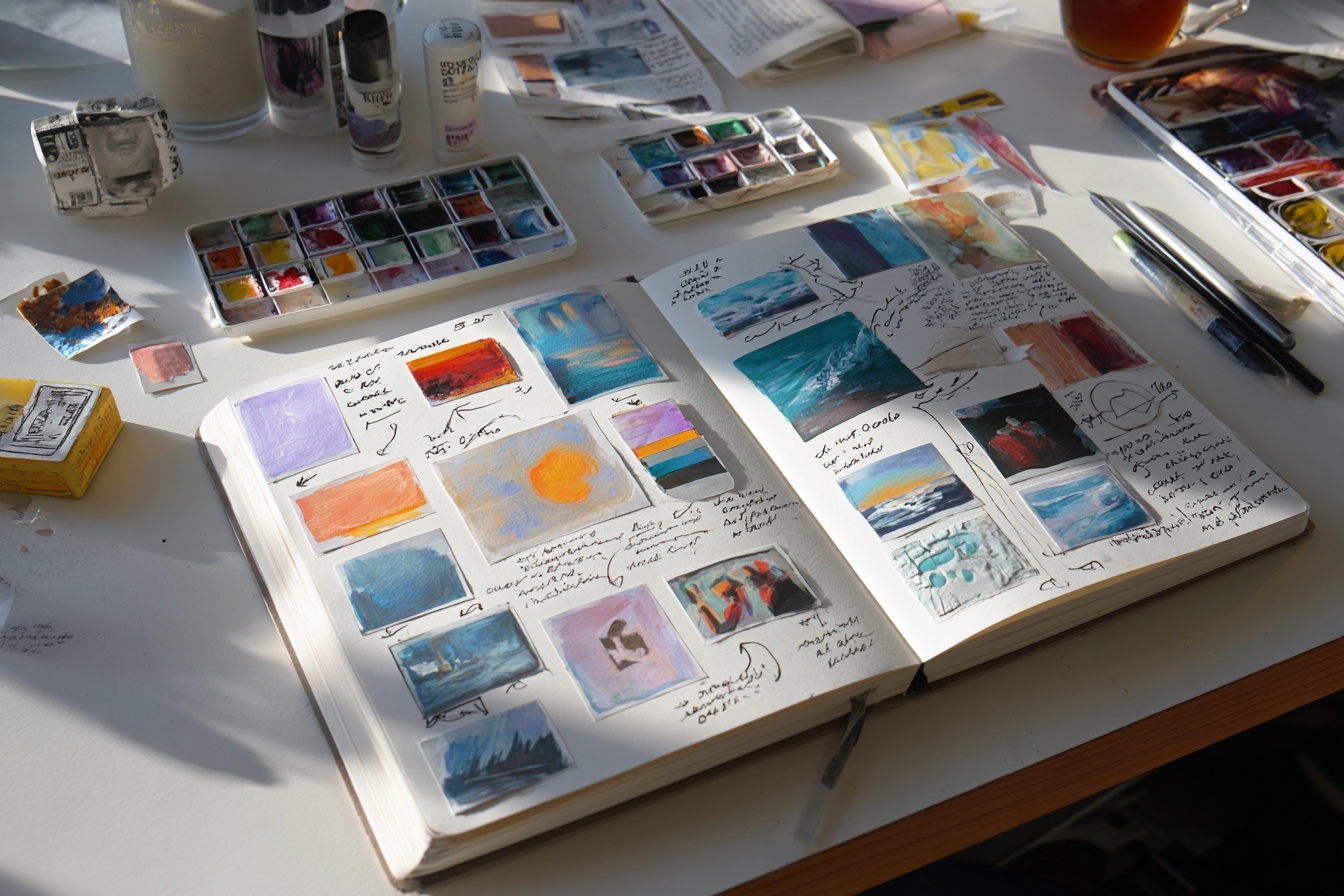
Explore how you perceive different materials, mediums, and subject matter, and how that can influence the way you think visually.

Combining Ideas in Unexpected Ways

Use a creative ideation method to generate new combinations and develop a personalized set of creative directions to pursue after the course.

What this course includes

Whether you already consider yourself creative or are simply curious about visual thinking, this course gives you a structured way to explore what shapes your creative instincts.

Through guided exercises, observation, and visual mapping, you’ll identify the colors, symbols, styles, and materials that resonate with you and begin developing a personal visual language.

This course focuses on exploration and discovery rather than technical art instruction, making it accessible whether you create art regularly or simply want to think more visually.

  • Step-by-step explorations: Guided exercises that help you map your preferences and discover patterns in what you’re naturally drawn to.

  • Creative experiments: Simple visual activities designed to help you notice connections between color, symbols, styles, and materials.

  • Applying creativity at work: Learn how the techniques from this course are used beyond art in fields like design research, storytelling, communication, and innovation.

  • Observation guides: Learn how artists and designers study visual references to understand their own creative voice.

  • Lifetime access: Return to the lessons any time and revisit the exercises as your tastes evolve.

  • Curious community: An optional space to share discoveries and connect with others exploring their creative voice.

About the Instructor

Emily Holmes is a mixed-media artist, design strategist, and facilitator who helps people develop creative thinking skills through hands-on art practices.

Her work combines visual art, design thinking, and curiosity-driven experimentation. Emily has led creativity and innovation workshops for organizations including NASA, Microsoft, Oracle, The Nature Conservancy, and many Fortune 500 companies. Her work helps people use observation, experimentation, and visual thinking to generate new ideas and approach problems from fresh perspectives.

Alongside her consulting work, Emily maintains an active art practice creating stained glass, mixed-media collage and paintings, and metalsmithing work that is sold online and in galleries. She previously founded a stained glass studio whose handcrafted work was carried in more than 500 galleries worldwide. In 2024 she was awarded a North Carolina Artist Grant in recognition of her artistic work.

Through Curious, Emily explores how artistic processes strengthen imagination, observation, and problem-solving, helping people reconnect with their creativity and apply it to their work and lives.

FAQ

  • Do I need to be good at drawing?

    No. Drawing skill isn’t the focus of this course. The goal is to explore ideas, symbols, colors, and shapes that resonate with you, not to create technically perfect artwork.

  • Is this an art class?

    Not in the traditional sense. While you’ll experiment with simple visual exercises, the course is really about discovering your personal visual language and understanding how artists and designers use symbols, themes, and style to communicate meaning.

  • Do I need art supplies?

    No special supplies are required. Most activities can be done with simple materials like paper, pens, markers, or basic art supplies you may already have.

  • Who is this course for?

    This course is for artists, designers, and curious professionals who want to better understand their creative instincts and develop a clearer sense of personal style.

  • How long is the course?

    The course is self-paced, with several hours of videos and exercises. Many people choose to revisit the exercises over time as their tastes and ideas evolve.

  • Is this self-paced?

    Yes. You can move through the lessons at your own pace and return to them whenever you want.

  • What will the course cost?

    The exact price will be announced when enrollment opens. If you join the interest list, you’ll be the first to hear when registration becomes available.

  • When will the course be available?

    The course is currently in development. Join the waitlist to be notified as soon as enrollment opens.

  • Will there be a community space?

    Yes. An optional online community space allows participants to share discoveries and connect with others exploring their creative voice.

Curiosity required. Art degree optional.

You don’t need to be an artist to develop a visual language. This course helps you explore the colors, symbols, themes, and visual patterns that resonate with you, and understand how they can evolve into a distinctive creative voice. By combining art exercises with reflective thinking, you’ll gain insight into how you see the world and how that perspective can be expressed visually.