The Power of Pareidolia

Learn to recognize hidden images in textures, patterns, and abstract marks, and use them as a starting point for creative ideas, artwork, and visual exploration.

Why Pareidolia Matters

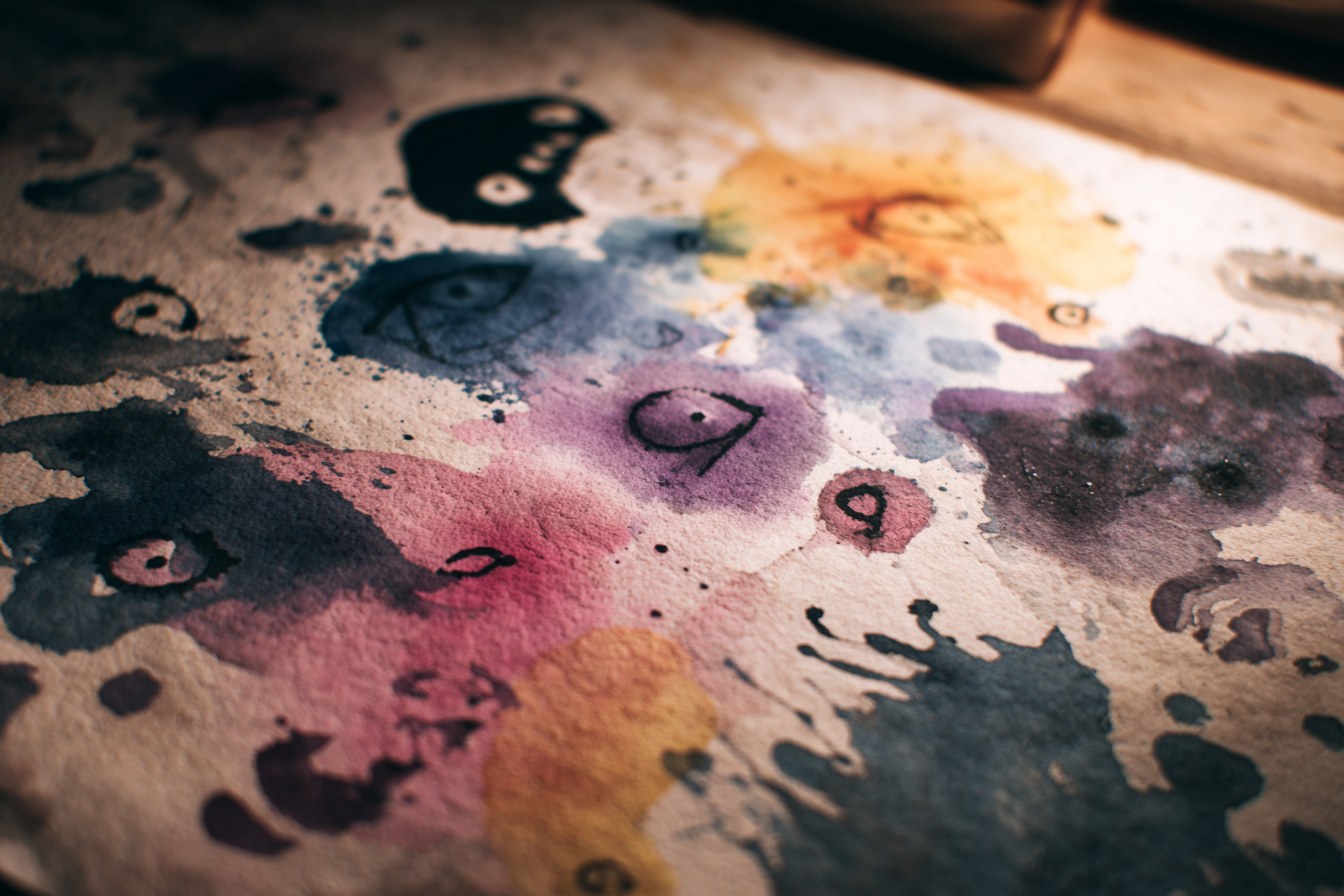
Have you ever seen a face in a cloud, a creature in a rock, or a hidden world hiding in peeling paint? When looking at the image shown here, do you see a bridge over a marsh, underwater sunglasses, or something else?

This experience has a name: pareidolia, the brain’s tendency to recognize familiar patterns in randomness.

Artists have used this instinct for centuries, discovering figures and stories inside abstract marks and textures. But the same pattern-recognition ability is also central to creative thinking more broadly. Designers, scientists, and innovators often make breakthroughs by noticing connections and possibilities others overlook.

In this course, you'll learn to deliberately use pareidolia as a creative tool. Through a series of guided exercises, you'll practice spotting hidden images, developing ideas from unexpected patterns, and turning randomness into inspiration.

The result isn’t just new artwork; it’s a new way of seeing.

Why This Approach Works

Art has a unique ability to surface ideas that structured thinking often misses.

In this course, you’ll explore creativity through hands-on artmaking and then connect what you discovered to powerful methods used in design thinking and innovation.

What You'll Learn

Discover Hidden Images

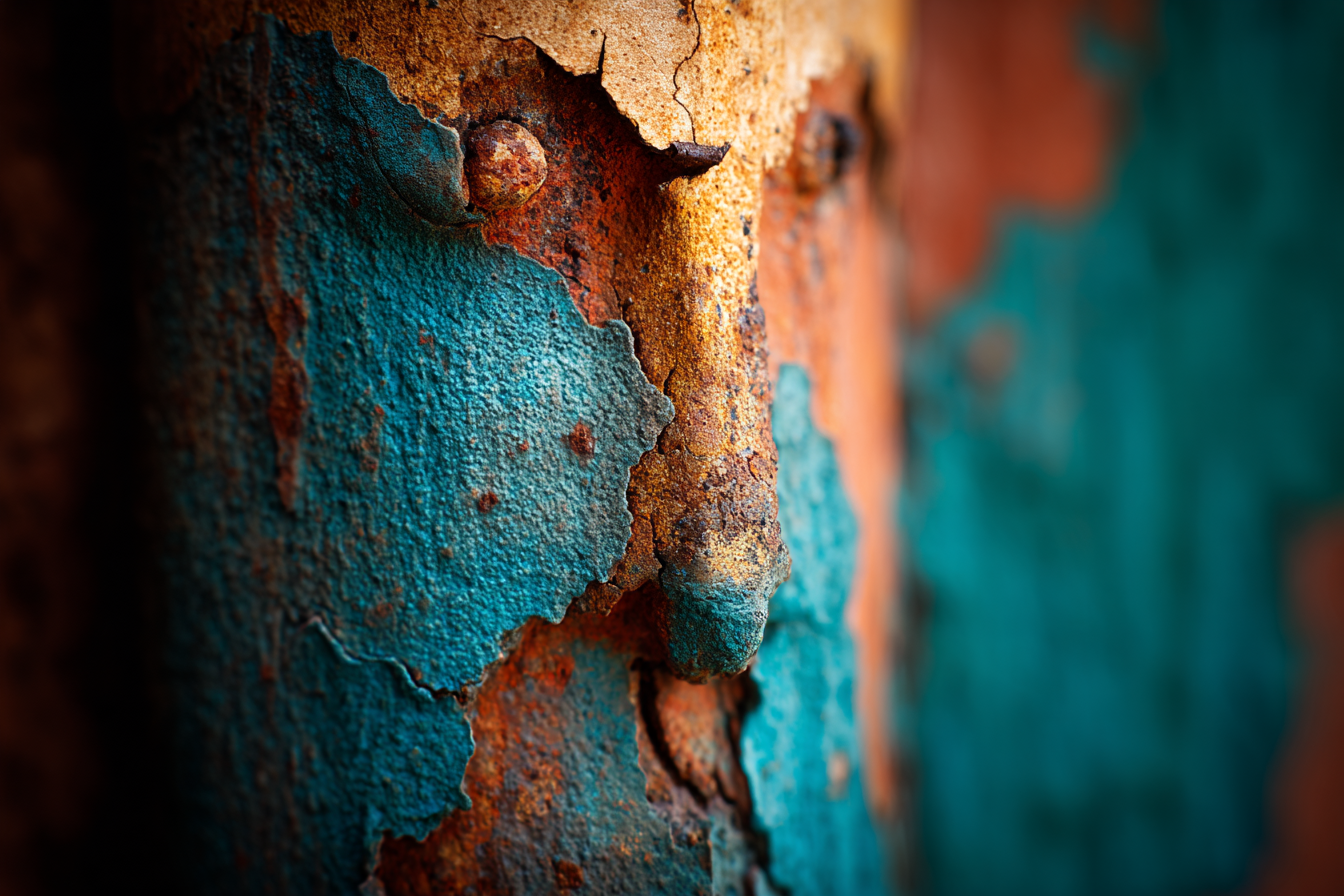
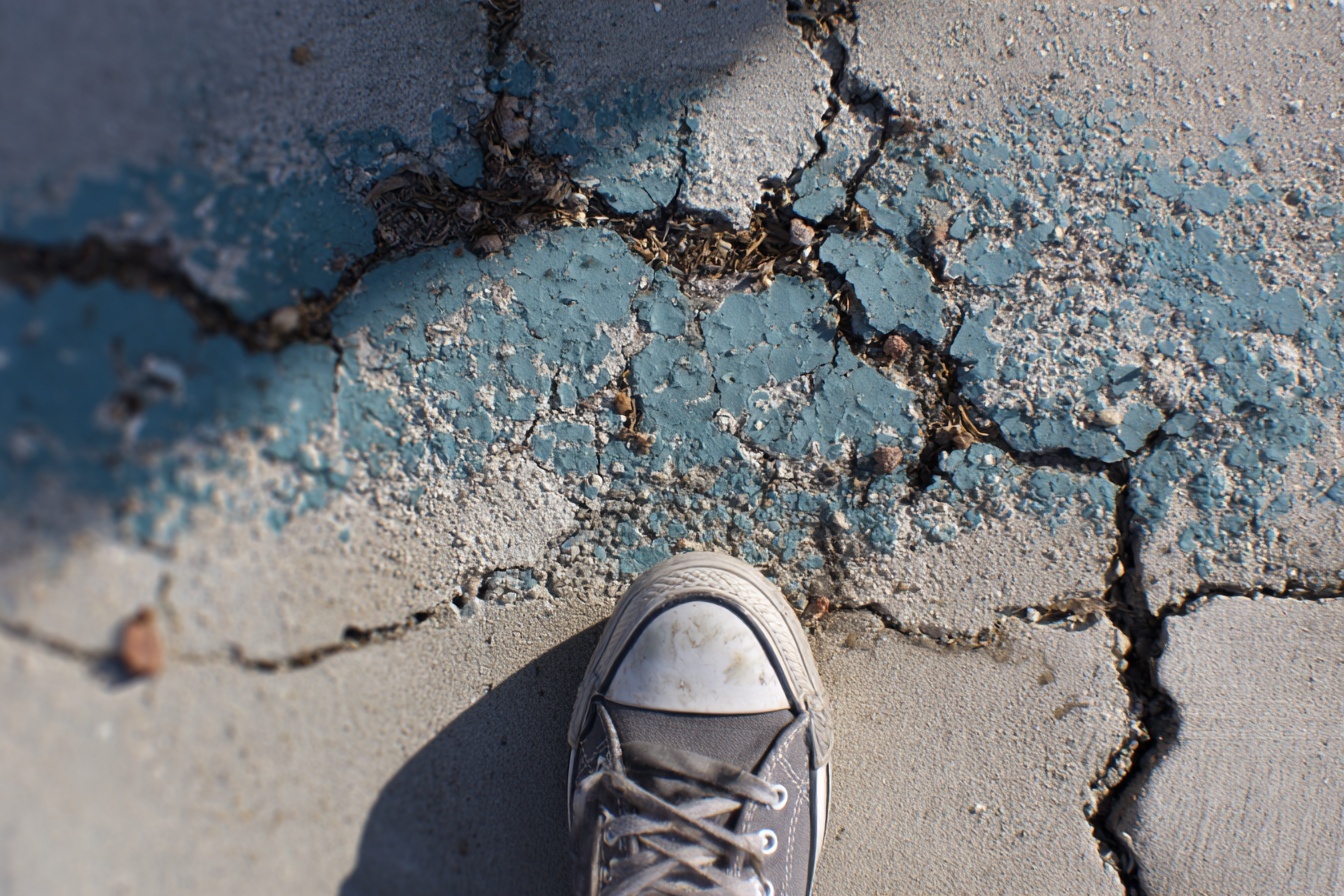
Learn to spot faces, creatures, and figures hiding in everyday textures... from rust and peeling paint to clouds and stone. 

Turn Random Marks into Ideas

Starting with abstract shapes and accidental marks, you'll practice transforming randomness into simple characters, illustrations, and visual concepts.

Develop a “Seeing Practice”

Pareidolia becomes stronger with attention. You'll explore simple exercises from art and design thinking that help you notice surprising patterns everywhere.

Use Photography as Inspiration

Go on a photo scavenger hunt in the world around you and use your discoveries as starting points for creative exploration.

Expand Your Creative Thinking

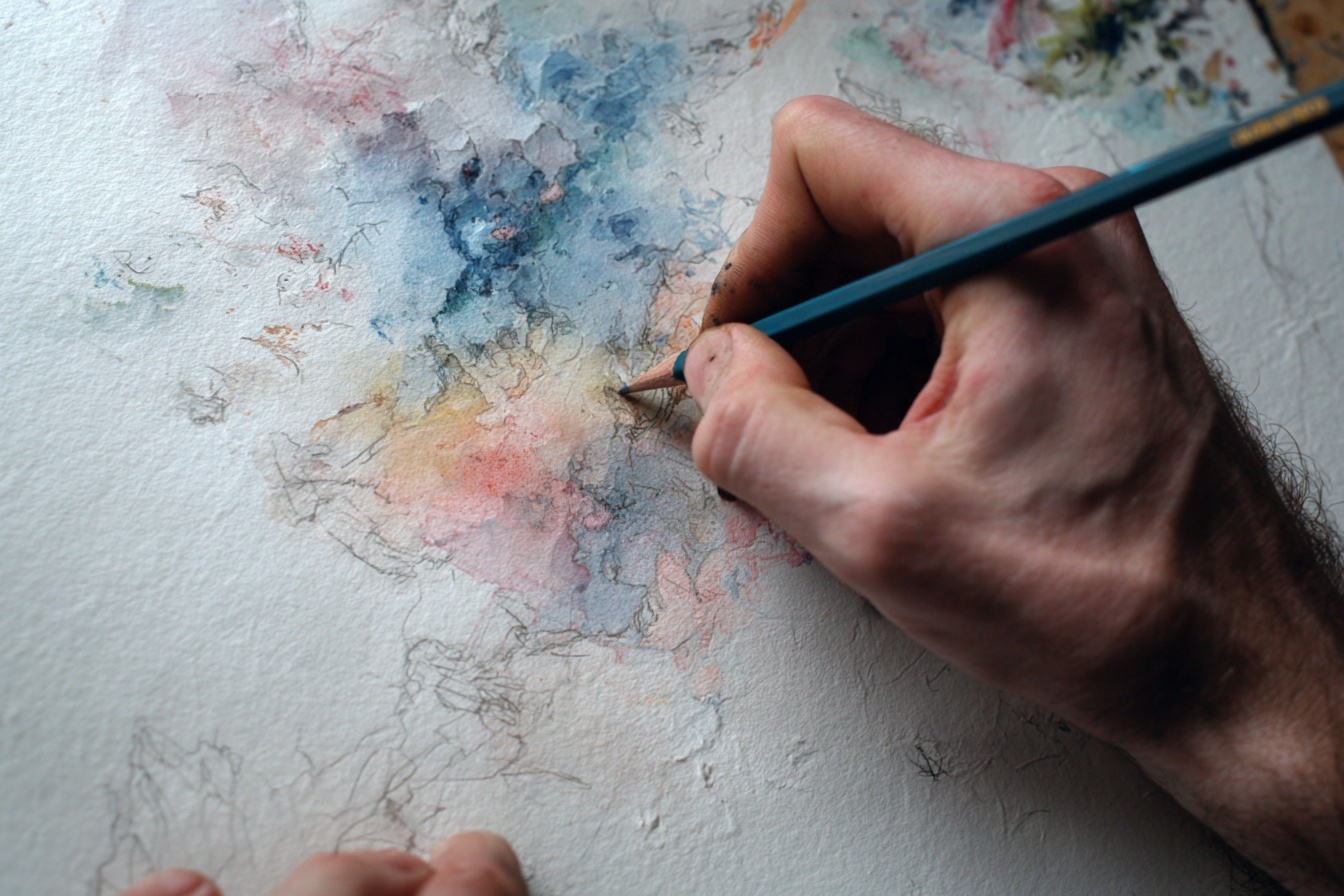
Practice simple drawing and color techniques that help you develop discovered shapes into expressive artwork.

Build Your Own Image Library

Create a personal collection of textures, patterns, and discoveries that can serve as inspiration for future artwork and creative projects.

What this course includes

Whether you already consider yourself creative or you are just curious, this series of guided exercises is designed to strengthen your perception, expand your creative thinking, and help you discover hidden images and ideas in everyday patterns.

  • Step-by-step demonstrations: Clear video lessons showing how to explore textures, marks, and patterns to discover hidden images

  • Creative exercises: Guided prompts that help you practice seeing differently and develop your own discoveries

  • Material guides: Simple suggestions for drawing tools, inexpensive materials, and ways to collect inspiring textures

  • Lifetime access: Return to the lessons any time and revisit the exercises whenever you need fresh inspiration

  • Curious community: An optional space to share discoveries, exchange ideas, and see how others interpret the same patterns

Meet Your Instructor

Hi, I’m Emily Holmes.

I’m a design strategist, creativity educator, and professional artist. Pareidolia plays a central role in my mixed-media painting practice. Many of my works begin with abstract marks and textures, where I gradually discover faces, figures, and narratives emerging from the surface. This process shaped much of the work in my recent solo exhibition and several award-winning pieces.

Alongside my art practice, I’ve spent years working as a design strategist for businesses and organizations across a range of industries, from NASA to The Nature Conservancy. Over time I noticed a surprising connection: the same pattern-recognition instinct that helps me discover images in abstract marks also helps uncover insights and opportunities hidden within complex information.

I’ve since incorporated similar perception exercises into design thinking and innovation workshops, where they help teams generate unexpected ideas and new perspectives.

In this course, I’ll share the exercises and approaches I use in my own studio practice to help you strengthen your perception, spark new ideas, and discover possibilities hidden in plain sight.

FAQ

  • Do I need to be good at drawing?

    Not at all. The course focuses on perception and imagination rather than technical drawing skills. While many artists use pareidolia to develop imagery and advance their work, the exercises are designed so anyone can explore hidden patterns and generate creative ideas.

  • What materials do I need?

    Many of the exercises use simple supplies such as paper, pens, markers, and a sketchbook or paper. Some lessons advance to use additional materials including acrylic paint and chalk or charcoal.

    You'll receive a detailed supply list when you enroll, and can always choose to view the videos before deciding which supplies you want to purchase.

    You may also want a way to photograph or collect interesting textures and patterns you encounter.

  • Is this an art class or a creativity class?

    It’s both. Artists use pareidolia to develop imagery and compositions, but the same pattern-recognition skills can also support creative thinking and idea generation in many fields.

    Over the duration of the course, we'll explore artistic techniques that help you make art, while also tying those to the mindsets that help in other aspects of your work and life.

  • How long does the course take?

    The self-paced lessons are designed to be flexible and approachable. You can move through them on your own schedule and return to the exercises whenever you want to refresh your creative practice.

  • Will there be opportunities to share work or ideas?

    Yes. An optional community space allows participants to share discoveries, compare interpretations, and see how others respond to the same patterns.

  • What will the course cost?

    Pricing will be announced when enrollment opens, but this course will be offered as a paid workshop-style experience (rather than a free tutorial.) People on the interest list will be the first to receive enrollment details and any early launch pricing.

  • When will the course be available?

    The course is currently in development and expected to launch later this year. If you join the interest list, you’ll be notified when enrollment opens and may receive early access or launch pricing.

Curiosity required. Art degree optional.

You don’t need to be an artist to explore pareidolia. Training your eye to notice hidden patterns and unexpected images can spark new ideas, strengthen creative instincts, and change the way you see the world around you.