
Fragments to Memories
Use mixed media to transform moments, images, and impressions into visual stories... and explore how artists and designers map experiences to uncover deeper meaning.

Art has a unique ability to surface ideas that structured thinking often misses.
In this course, you’ll explore creativity through hands-on artmaking and then connect what you discovered to powerful methods used in design thinking and innovation.
By starting with lived experiences and translating them into visual fragments, you'll discover how creative processes can help us better understand moments, stories, and human journeys.
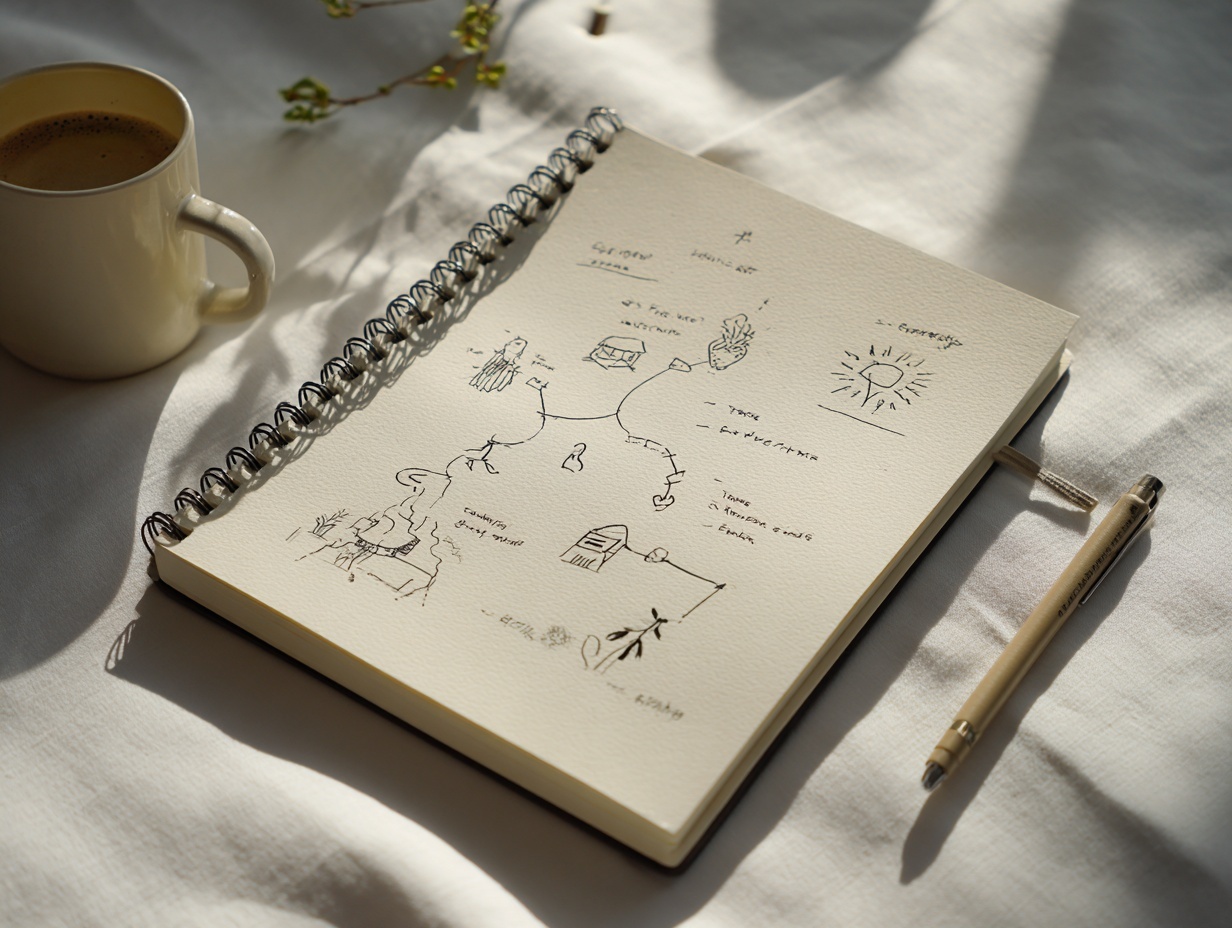
Reflecting on experiences
Start with a moment, memory, or experience from your life and explore the details that shaped it.
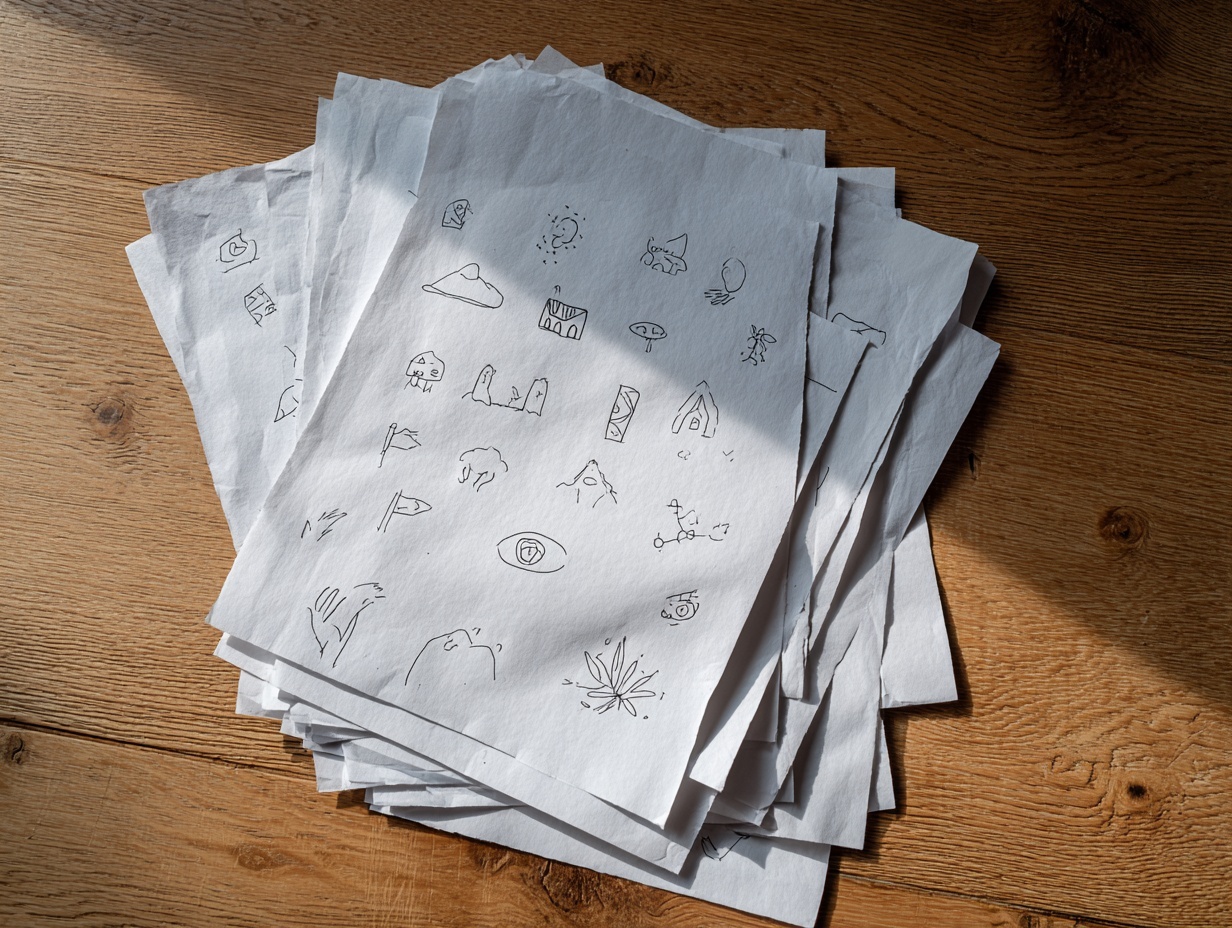
Identifying visual fragments
Break the experience into small elements: images, objects, symbols, places, and emotions.
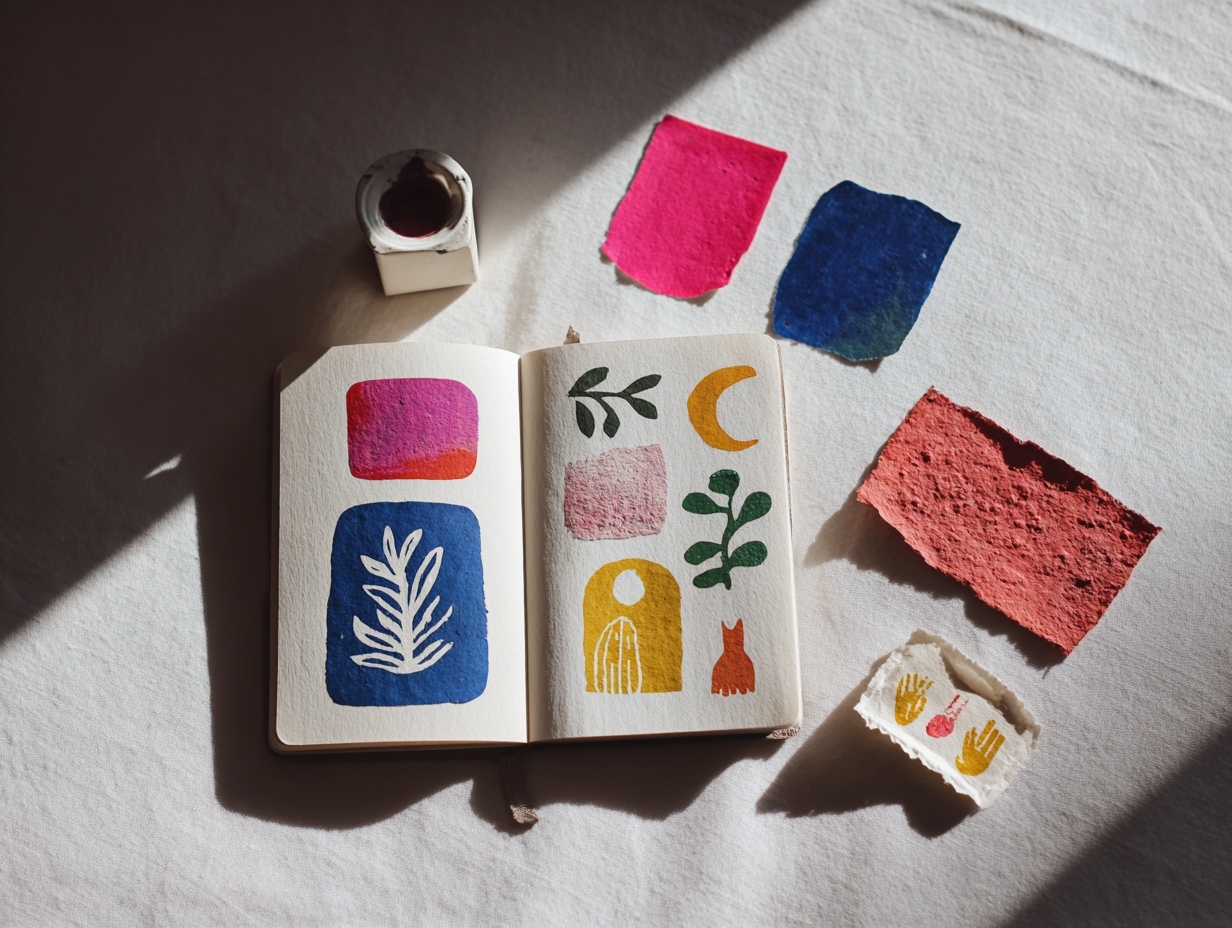
Developing visual elements
Use mixed media techniques like painting, collage, gel printing, drawing, and texture to bring these fragments to life.
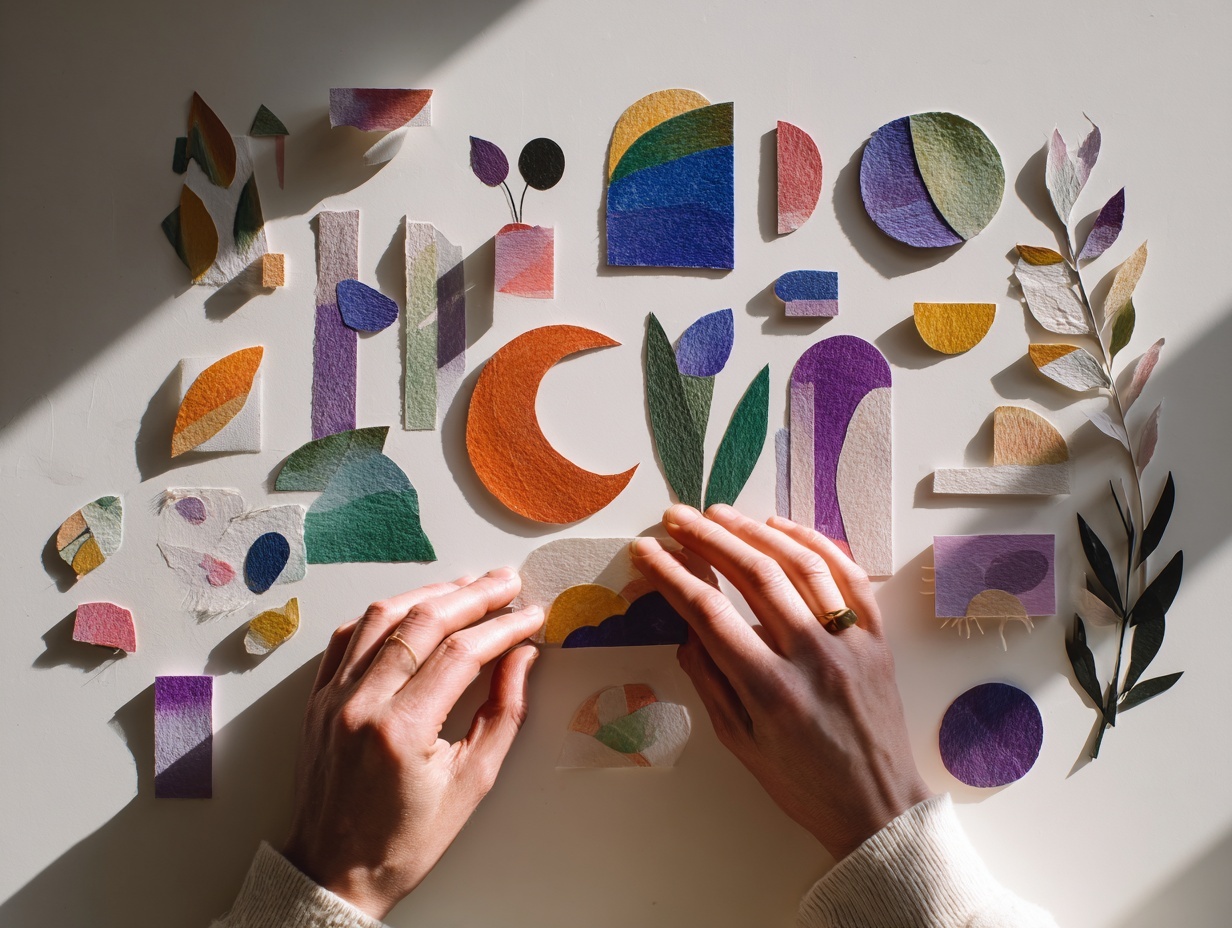
Experimenting with combinations
Arrange and rearrange fragments to explore different ways your story can unfold visually.
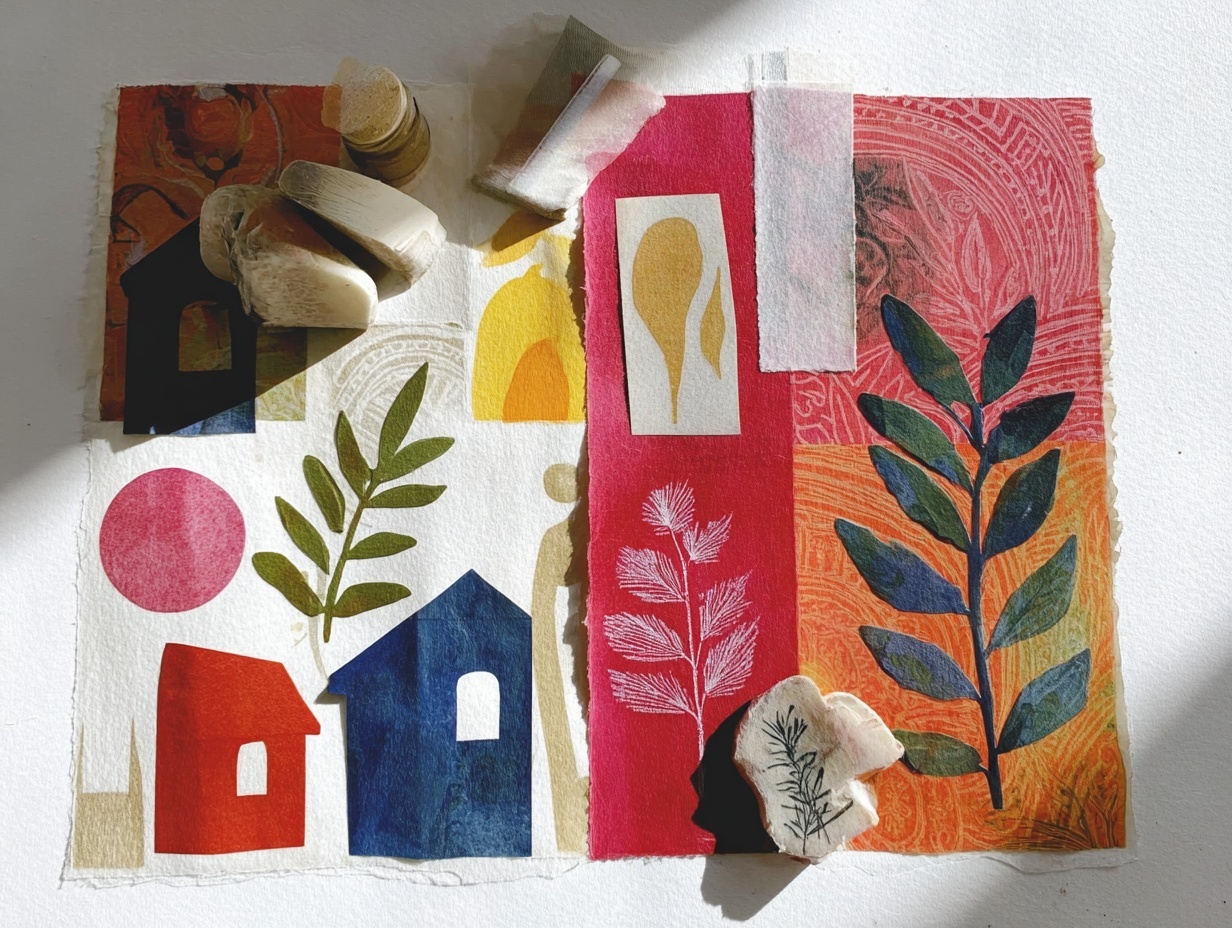
Building a visual journey
Connect fragments into a layered composition that reflects the structure of an experience.
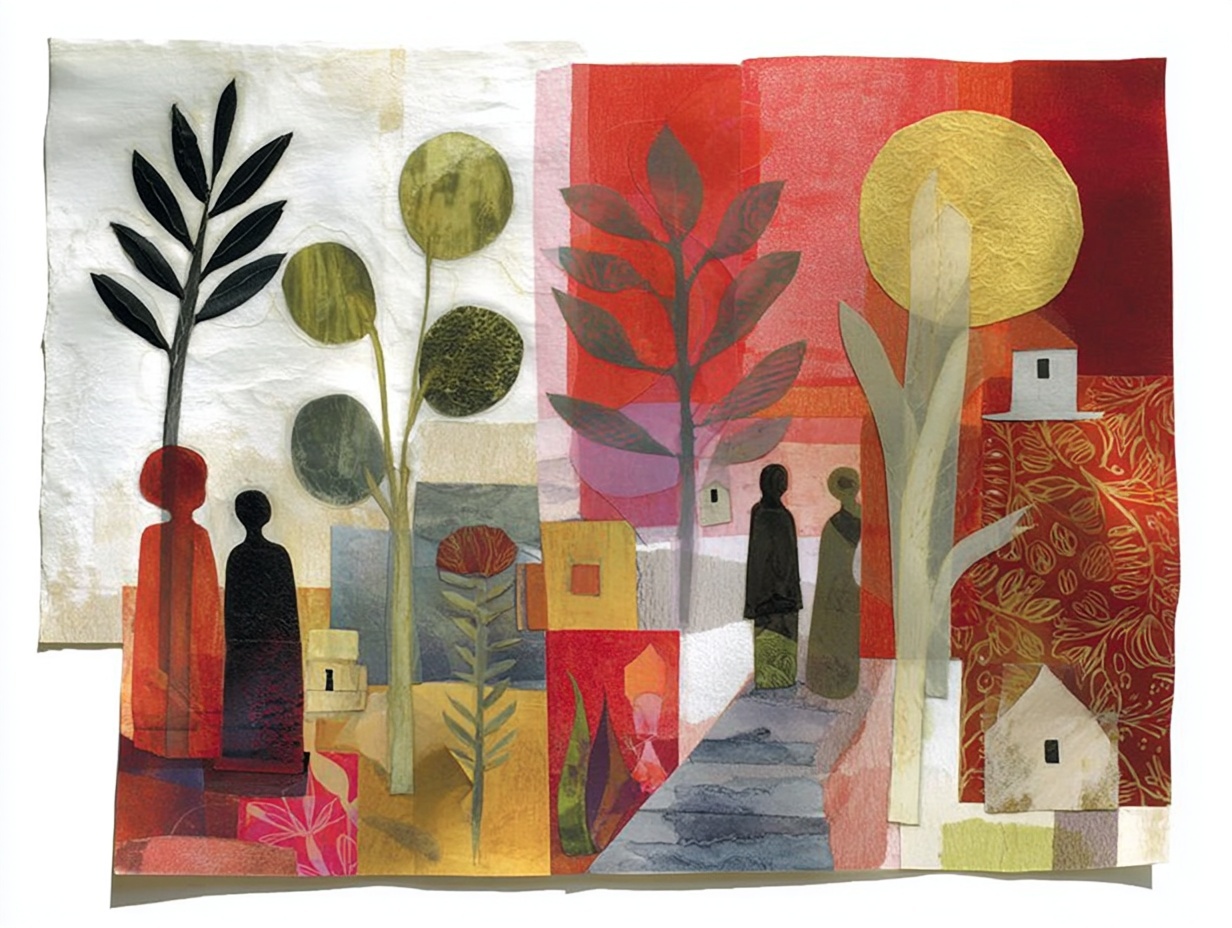
Telling a visual story
Step back and see how your artwork captures the feeling and narrative of a real moment in time.
Whether you already consider yourself creative or are just curious, this course has everything you need to get started on your gel printing journey.
Step-by-step demonstrations: Clear instruction videos for each technique
Creative experiments: Exercises designed to stretch how you see
How to apply creativity at work: Learn how the techniques from this course are used beyond art in fields like design research, storytelling, organizational change, and innovation
Material guides: Details about the simple tools and supplies required, and where to get them
Lifetime access: Return to the lessons any time
Curious community: Optional space to share work and ideas
Combining visual art, design thinking, and curiosity-driven experimentation.

No. This course is designed for curious beginners as well as experienced artists. The focus is on exploring ideas and experiences through visual fragments, not on technical perfection.
You can work with simple materials you may already have: paper, magazines, photographs, pens, paint, scissors, glue, or other mixed media supplies. The course emphasizes experimentation rather than specialized tools.
The course includes 2+ hours of video lessons that walk through the core techniques step by step. You will likely find yourself spending much longer experimenting and creating visual maps.
Yes. You can move through the lessons at your own pace and return to them any time. Many people like to watch a lesson, try a few exercises, and then come back later for the next technique.
This course is for artists, designers, UXers, researchers, and curious professionals who want to explore creativity through reflection, visual storytelling, and mixed media experimentation.
Yes. Participants will have the option to share work, ideas, and discoveries in an online community space with other curious learners.
The exact price will be announced when enrollment opens. If you join the interest list, you’ll be the first to hear when registration becomes available.
The course is currently in development and expected to launch soon. Join the interest list to receive updates and early access when enrollment opens.
You don’t need to be an artist to benefit from this process. Fragments to Memories invites you to reflect on meaningful experiences and translate them into visual fragments: images, symbols, textures, and colors that capture how a moment felt. By combining artmaking with reflective thinking, you’ll uncover insights, patterns, and stories that might otherwise remain hidden.